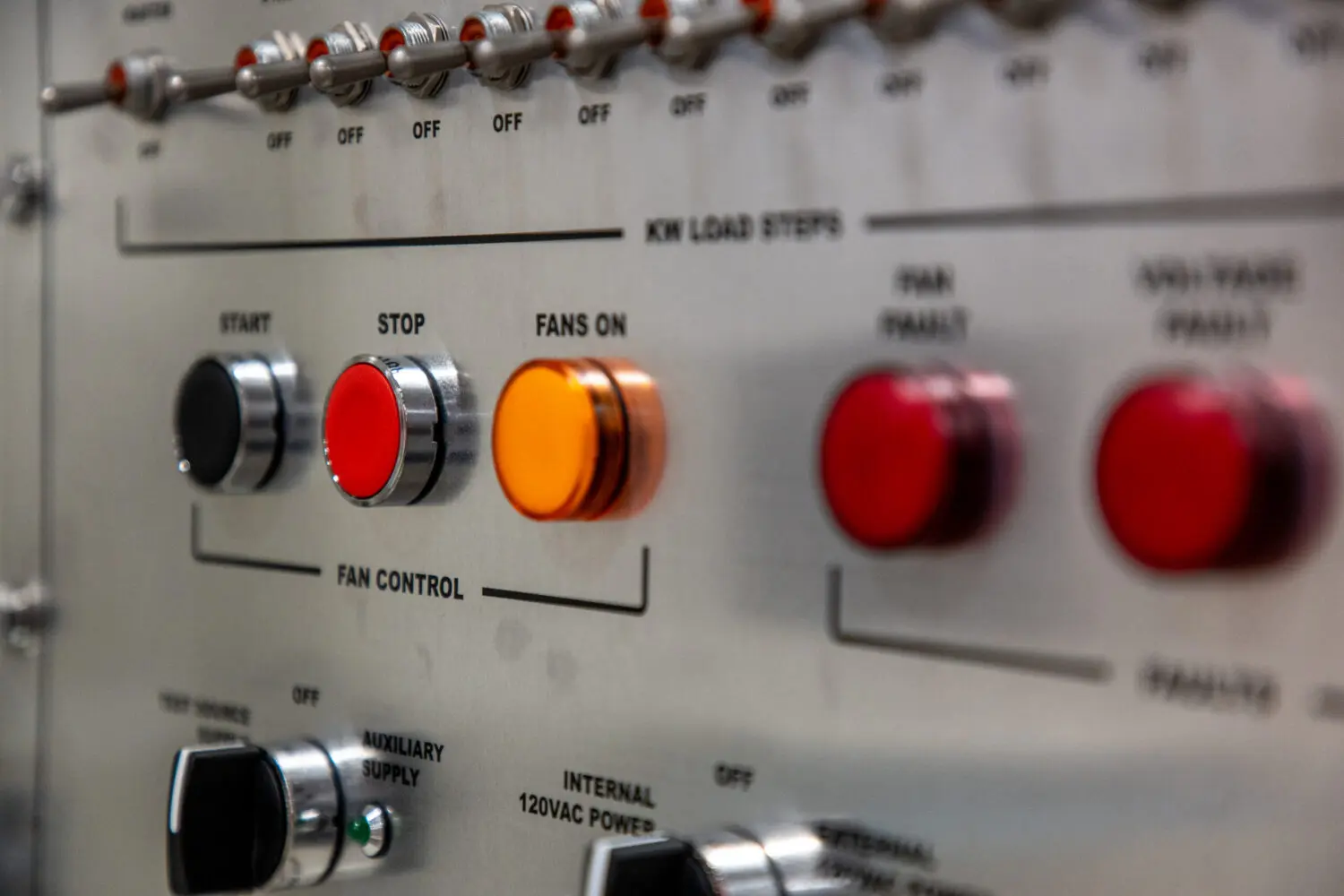
Design-Stage Engineering
Working with consulting engineers and facility teams from early design through equipment specification and procurement.

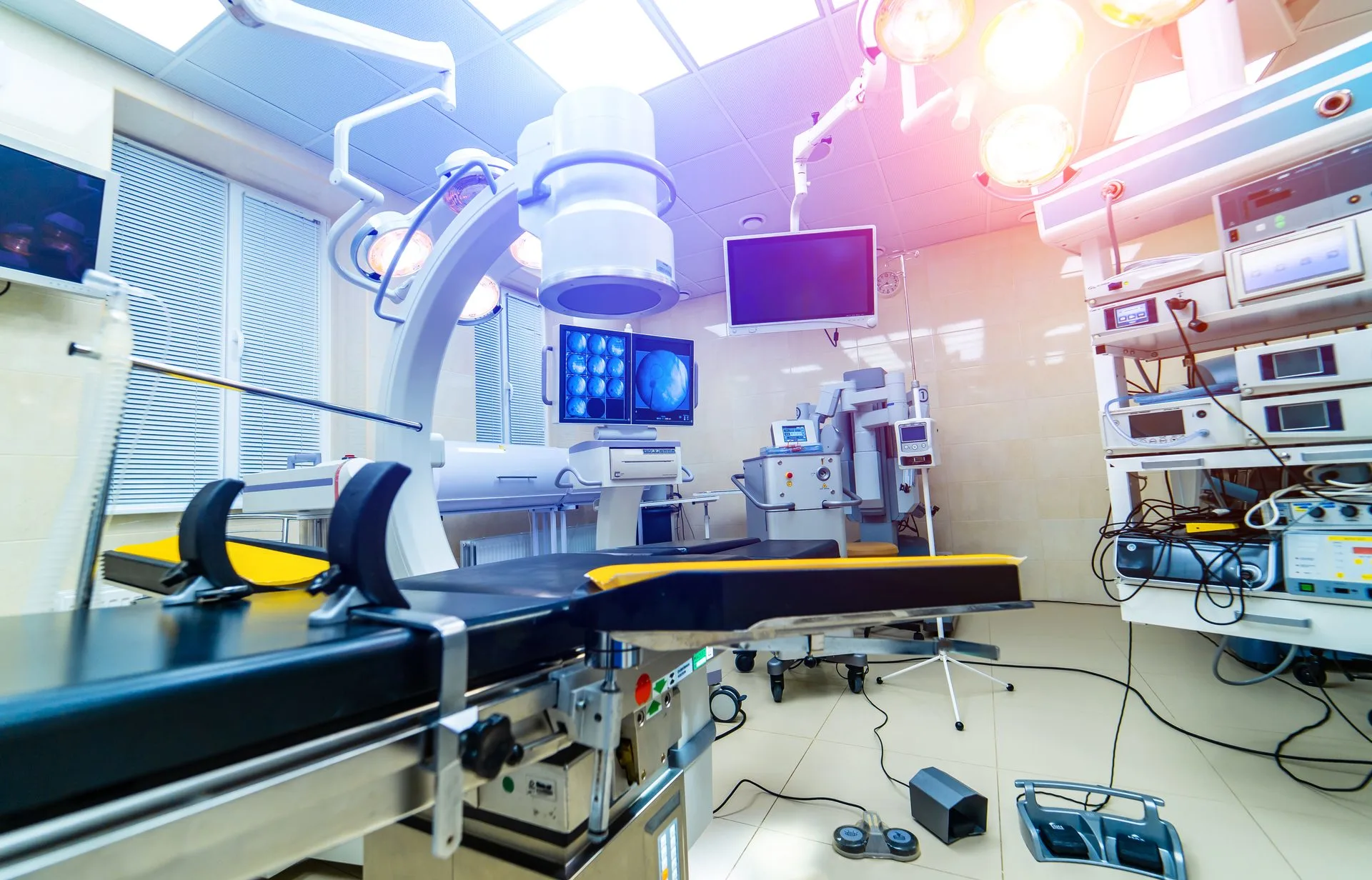
Carter works with healthcare systems, consulting engineers, and construction teams to design standby power infrastructure for hospitals. From early design through commissioning, the goal is infrastructure that supports clinical operations and stays ready for decades.
Healthcare facilities approach electrical infrastructure differently from typical commercial buildings — power interruptions affect not only building systems but patient care environments, medical equipment, and life-safety systems. Because of this, hospital power systems are designed with multiple layers of redundancy, built to continue operating even during equipment failures.
Commercial buildings rely on a single standby generator. Hospitals run multiple generators in parallel so the system keeps running if any one unit fails.
NFPA 99, NFPA 110, and NEC define the minimum. Hospitals that operate reliably over time invest in infrastructure that goes beyond what the standards require.
Generator configuration, switchgear architecture, and growth capacity are determined early. Changing them later is expensive — sometimes requiring a system shutdown.
Emergency power systems for hospitals are rarely defined by equipment alone. Early design decisions — generator capacity, redundancy strategy, electrical topology, and system layout — determine how the facility operates for decades. Carter teams work alongside consulting engineers during these early stages to help evaluate:
Because hospitals often expand over time, power infrastructure must support long-term growth as well as immediate operational needs.
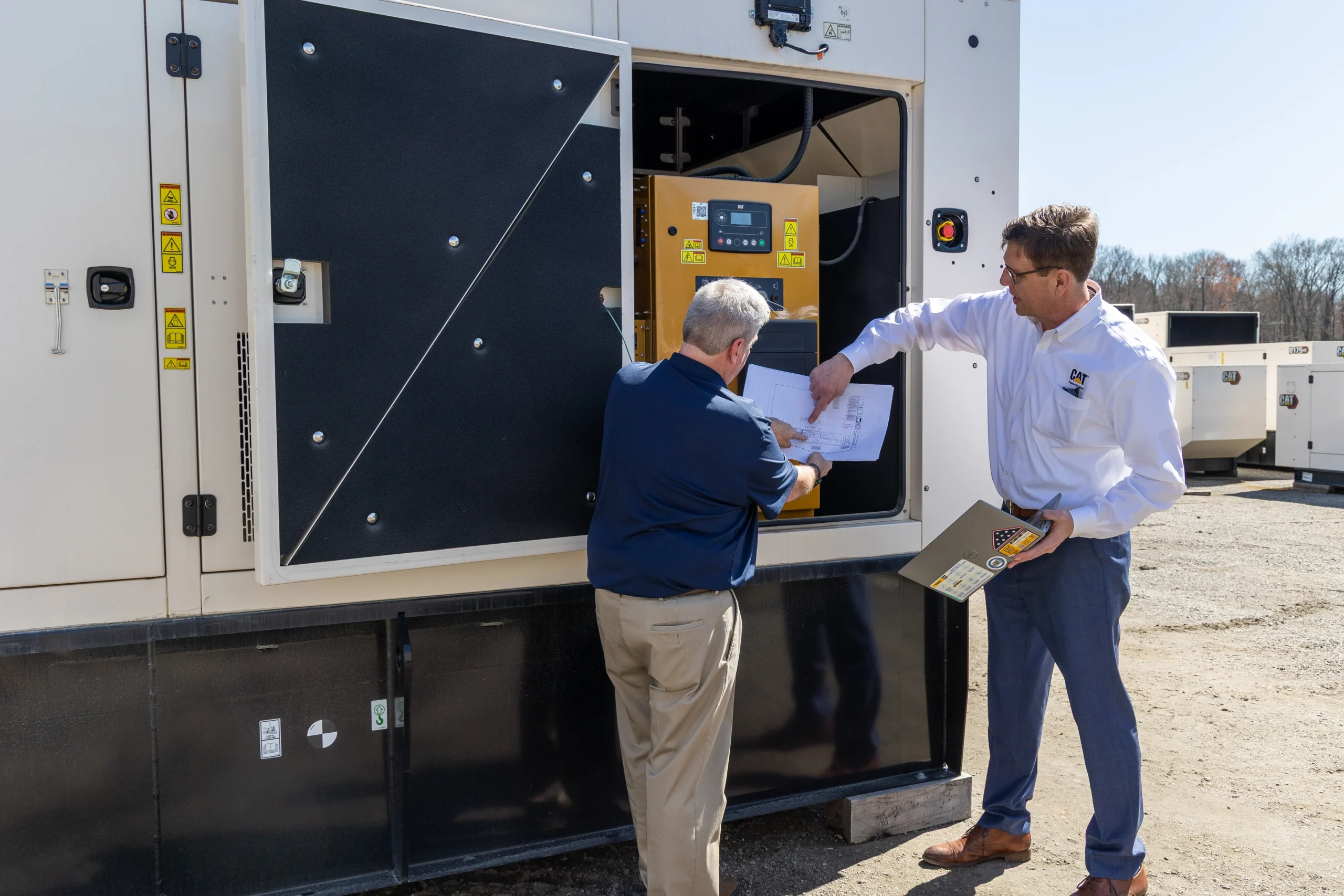
Hospitals must regularly test emergency power infrastructure to maintain Joint Commission accreditation and satisfy other regulatory inspections.
Caterpillar paralleling switchgear includes an integrated Joint Commission testing interface that centralizes this process. From a single screen in the switchgear room, one operator can run the complete test sequence — every generator, every transfer switch — and generate formatted compliance reports automatically.
A hospital’s emergency power system follows a defined architecture: utility service feeds the main switchboard, which connects to automatic transfer switches (ATS) that monitor utility status. When utility power is lost, the ATS signals the emergency generators to start. Paralleling switchgear manages generator synchronization, load sharing, and priority-based load sequencing.
Hospital power infrastructure must be maintained continuously while clinical operations remain active. As a result, emergency power systems are often designed with features that allow equipment to be serviced without interrupting patient care. Examples include:
These design considerations help facility teams maintain and test emergency power systems while keeping the hospital fully operational.
Hospital emergency power systems must comply with strict standards that define how emergency power systems must perform and how quickly they must respond during outages. These include:
However, many healthcare facilities eventually discover that meeting code requirements is only the starting point. Emergency power systems can fully comply with code requirements yet still lack the operational flexibility needed for maintenance, testing, or future expansion. As hospital operators gain experience with these systems, facility teams often prioritize infrastructure that supports operational flexibility in addition to code compliance.
Hospital campuses rarely remain static. As healthcare systems add services, expand facilities, and deploy new medical technologies, electrical demand continues to grow. Many hospitals built years ago are now discovering that their original emergency power infrastructure was sized for earlier facility requirements and may struggle to support current loads — particularly during periods of peak cooling demand.
For this reason, newer projects often incorporate infrastructure that allows additional generators to be added later without major redesign. In some cases, medium-voltage distribution systems are used to support long-term scalability.
Planning for this expansion early helps healthcare organizations avoid costly infrastructure redesign as facilities evolve.
Healthcare facilities often manage critical power infrastructure through multiple vendors. Carter provides those capabilities within one organization — from design-stage engineering through long-term maintenance.
Working with consulting engineers and facility teams from early design through equipment specification and procurement.
CAT generator sets and paralleling switchgear designed and configured for healthcare-specific requirements, including essential electrical systems.
Infrared inspection, breaker testing, fuel sampling, and polishing — aligned with NFPA 110 and Joint Commission requirements.
Preventive maintenance plans, scheduled inspections, and around-the-clock emergency dispatch for generator and fuel system events.
Carter specialists are available to discuss your facility’s power infrastructure, review system requirements, and help get the design right from the start.