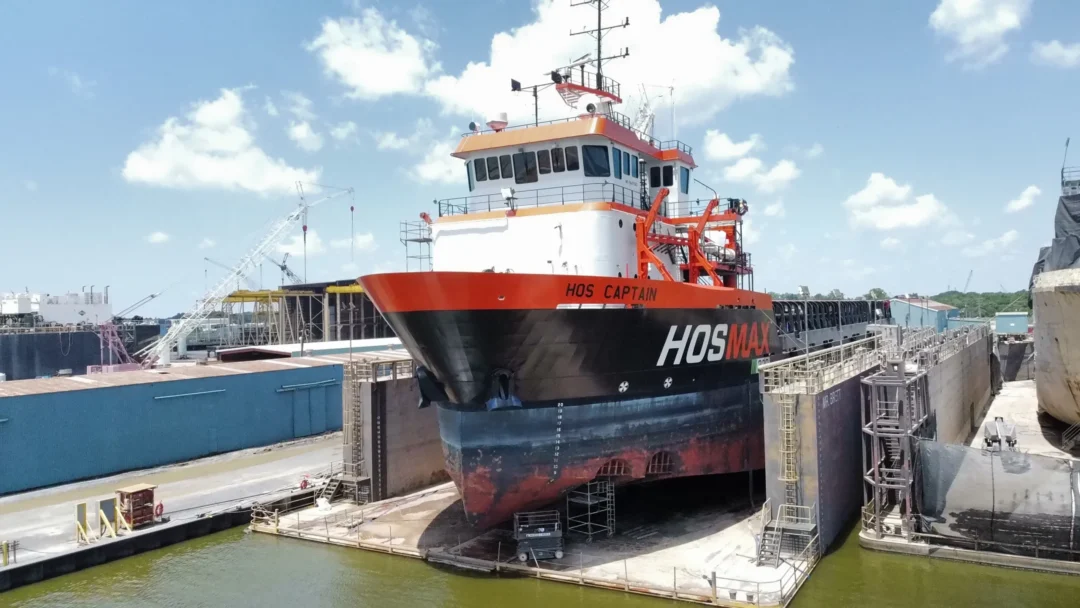
Propulsion Engine Service & Overhaul
Major overhaul and unscheduled repair for Cat® propulsion engines including 3500-series and C280, with the technician capacity to compress timelines and reduce operator downtime.

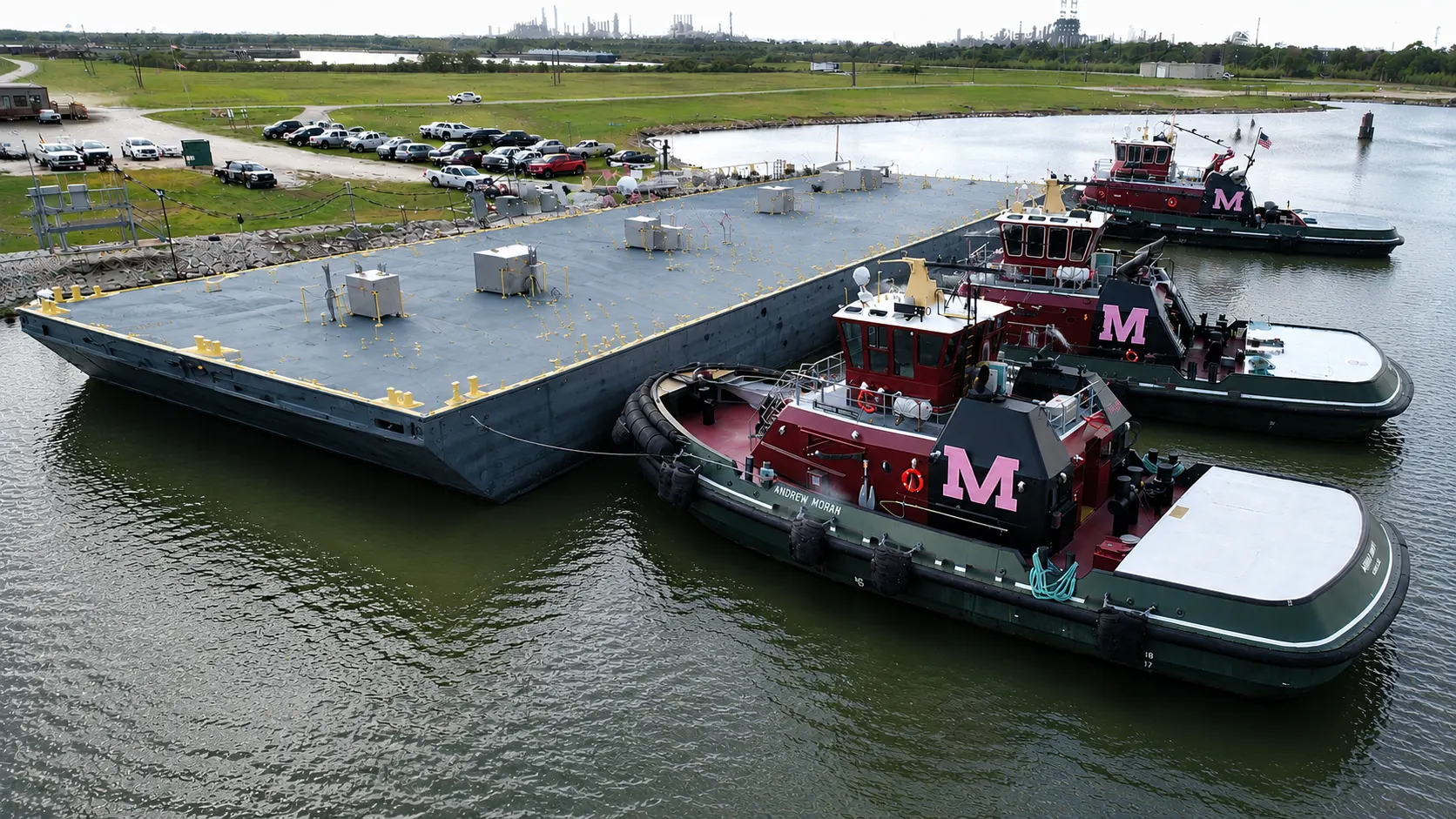
Commercial vessels run on day-rate contracts, and when propulsion or power systems fail, the clock doesn’t stop. Carter supports marine operators with Cat® engines, generator sets, and service teams that respond fast and finish faster.
A vessel that can’t operate isn’t just idle — it is losing contract revenue, potentially facing penalties for being off-station, and burning crew wages with nothing to show for it. Response time isn’t a service attribute. It’s a financial variable.
Daily contract rates mean downtime is measured in dollars, not inconvenience. Operators working offshore oil and gas or other contracted work can lose tens of thousands of dollars per idle day.
Classification bodies and the Coast Guard require vessels to maintain sufficient power availability for safe operation. A failure that compromises redundancy can restrict the vessel from operating until repairs are complete.
When a vessel cannot wait for a service appointment, the ability to mobilize quickly — anywhere along the East Coast — determines whether an operator recovers days or loses them.
When a vessel goes down, Carter’s marine team is ready to mobilize — to the pier, to the shipyard, or wherever the vessel is.
The team supports commercial operators, fleet owners, military vessels, and recreational craft across the Mid-Atlantic and beyond, with the technician depth to respond quickly and the Cat® expertise to get it right.
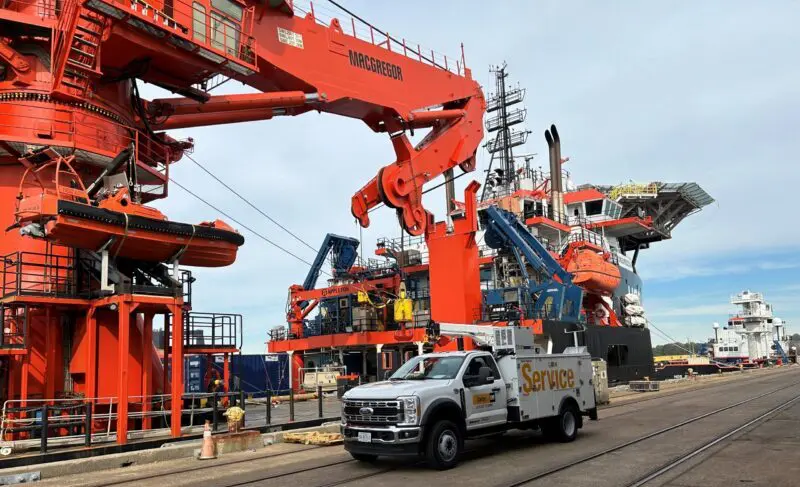
Most marine service providers quote a completion date. Carter quotes a date and then works to beat it.
For operators under contract, a shorter service window means preserved maintenance allowance, reduced dry dock fees, and recovered day-rate revenue. Carter’s team has the technician depth to put multiple people on a single job and finish significantly ahead of schedule — not as a scheduling advantage, but as a result of experienced technicians who know these engines and know how to scale to the job.
Repower projects replace aging propulsion engines with newer Cat® models — improving performance, reducing emissions, and extending vessel life without the cost of new construction.
Carter manages the full scope, from engine selection and installation to emissions upgrades, electronic conversions, and ABS and Coast Guard coordination for reclassification.
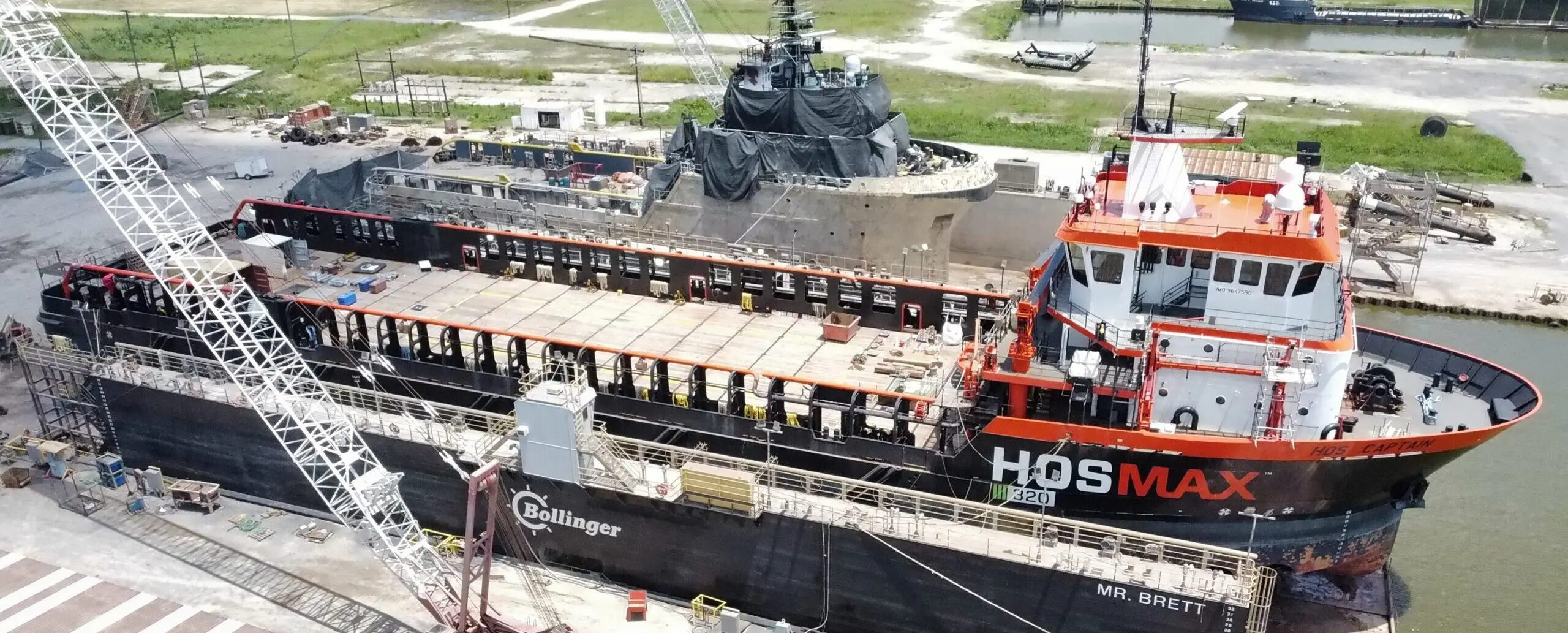
Most commercial vessels rely on a combination of propulsion engines and onboard generator sets to maintain operations. Propulsion systems provide motive power, while generators supply electrical power for navigation, communication, lighting, HVAC, hydraulics, and other vessel systems.
Carter provides Cat® propulsion engines and marine generator sets across a range of power outputs, supporting everything from inland workboats to offshore supply vessels.
Repower projects replace older propulsion engines with newer models, improving performance, reducing emissions, and extending vessel life without the cost of new construction. Scope typically includes new propulsion engines, marine transmissions, and upgraded electronic control systems — along with emissions upgrades, mechanical-to-electronic conversions, and updated fuel and monitoring systems where applicable.
A common repower scenario involves replacing aging 3508 engines with C32 models — a configuration that improves performance and emissions while preserving the vessel’s operational profile so crews do not need to relearn systems.
Commercial vessels operate under strict regulatory oversight. Many vessels are subject to inspection and certification requirements from organizations including the American Bureau of Shipping (ABS), the U.S. Coast Guard, and in some cases Lloyd’s Register.
When Carter performs major service work, technicians must update the vessel’s technical file, documenting components installed and verifying compliance with applicable standards. Carter operates as an ABS-compliant service provider, handling the documentation required for classification compliance as part of the service process.
Carter’s marine technicians work with vessel operators across the full maintenance lifecycle — valve adjustments, engine inspections, safety and shutdown testing, scheduled overhauls, and component replacement during regulatory dry dock periods.
Many vessels have experienced onboard engineers who handle day-to-day maintenance. Carter’s team extends that capability, providing specialized expertise and additional personnel for tasks that go beyond what an onboard crew can manage alone. Major overhauls require particular coordination, aligning technician depth and availability with vessel schedules and contract windows — exactly the kind of planning Carter’s marine team is built for.
Whether the question is routine service intervals or a full engine overhaul, Carter has the experience to answer it.
When something goes wrong at sea, you need a team that already knows the engines, knows the vessel type, and knows how to respond. Carter’s marine technicians have worked with the same customers, the same Cat® propulsion systems, and the same operational realities for years — and that continuity shows up when it counts.
Major overhaul and unscheduled repair for Cat® propulsion engines including 3500-series and C280, with the technician capacity to compress timelines and reduce operator downtime.
Replacement of aging propulsion engines with newer models, including electronic conversion, emissions upgrades, and coordination with ABS and the Coast Guard for reclassification.
Technical file updates, component documentation, and certification support as part of major service and repower work.
Rapid response for unscheduled failures. Carter’s Chesapeake team has mobilized to vessels in a wide range of locations.
Carter’s marine specialists are available to discuss your vessel’s propulsion or power system needs — whether you’re planning a repower, scheduling an overhaul, or dealing with an unscheduled failure.
Need immediate assistance? For marine sales: Aaron Eckert, 443.776.3832 | For marine service & support: Zach Reyome, 757.995.7513