Application Engineering
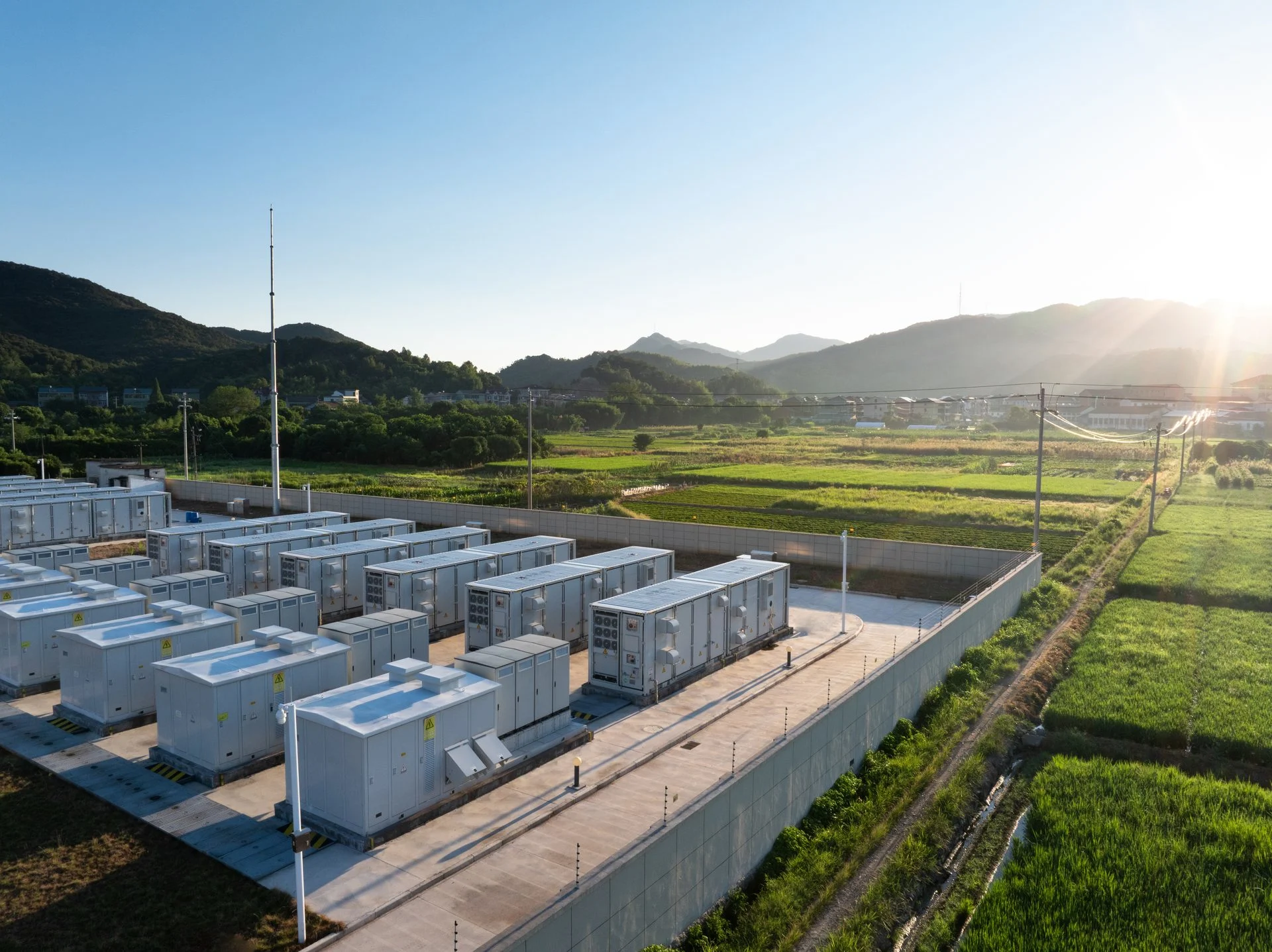
Carter provides product application engineering for the full Cat solution — generator selection, controls, switchgear, and ancillary equipment — sized and configured for the specific site, load, and operating requirements.

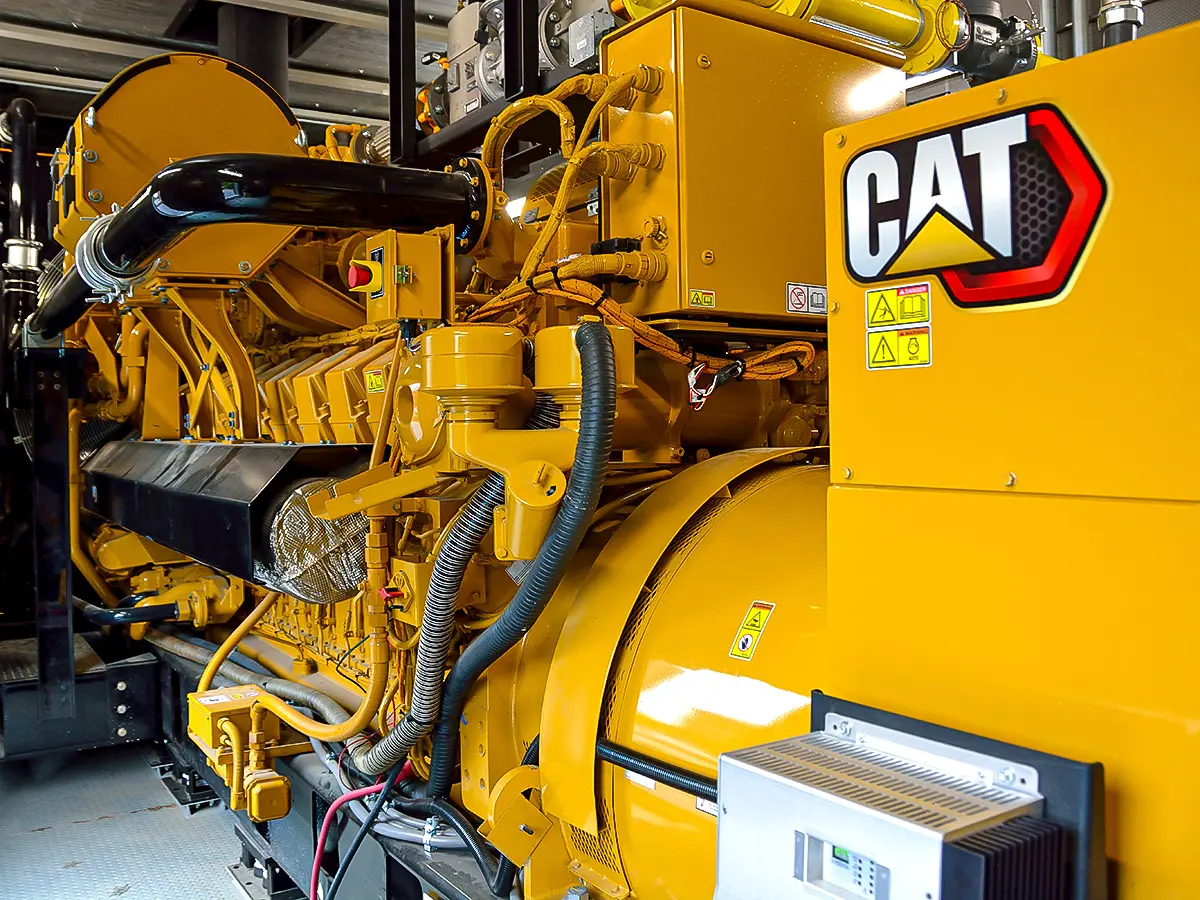
When the grid can’t meet the demand, the facility has to. Prime power means generating your own electricity continuously, on your own terms. Carter supports prime power projects from early system design through decades of operational service.
Large facilities — data centers, industrial parks, campuses — increasingly find that utilities cannot commit the capacity they need. Prime generation fills the gap, operating alongside available grid power or replacing it entirely.
For manufacturing operations running sensitive processes, grid instability — brownouts, voltage fluctuations, inconsistent frequency — causes real production losses. Self-generation gives the facility direct control over power quality.
Some sites operate where utility infrastructure is limited or absent. Remote industrial facilities and oil and gas operations generate their own power because there is no practical alternative.
Most prime power installations consist of multiple natural gas generator sets operating in parallel, coordinated through paralleling switchgear and control systems, feeding the facility’s internal distribution, the utility grid, or both.
The parallel configuration isn’t only about redundancy — it’s about load management. Gas generator sets perform best running near their rated capacity, typically around 95% or above. As facility demand rises, additional units start automatically. As demand drops, units shut down so the remaining units stay in their efficient operating range. The system continuously matches generation to actual facility load.
System scale varies considerably — from two units serving a smaller industrial facility to twenty large-format gensets feeding a data center or major campus. Carter engineers have supported projects across that full range.
Prime power systems run on natural gas. Diesel can work in limited circumstances, but emissions compliance costs make it impractical at prime scale for most applications.
Fuel choice is rarely the question. The question is whether the gas infrastructure at a given site can actually support the plant — and Carter’s role is to help evaluate that early, before equipment is specified or commitments are made.
A nearby pipeline does not guarantee a viable fuel source. What matters is whether that pipeline can deliver the required volume at the pressure the generator sets need — continuously, at full load. Local distribution networks move gas from transmission pipelines, but their delivery capacity has limits. A large prime installation may require a dedicated interconnection with the transmission system itself, which involves different stakeholders, different timelines, and different costs than tapping a local line.
Projects that resolve these questions early move forward smoothly. Projects that assume gas availability often discover the limitation later, when it is harder and more expensive to address.
A prime power system isn’t simply a generator plant running continuously. Depending on how it’s designed and what utility agreements are in place, the same system can operate in multiple modes — each serving a different purpose for the facility.
Understanding which modes a facility wants to support is a design input, not an afterthought. Carter engineers work through these questions early, because control architecture, switchgear configuration, and grid interconnection requirements differ depending on how the system is expected to operate.
Prime power systems are designed around how a facility actually uses electricity — not just how much it needs. That distinction drives most of the early engineering work Carter does with developers, engineers, and facility operators.
CHP captures thermal energy from generation — exhaust heat, jacket water — and converts it to heating, cooling, or steam. Universities and large campuses with consistent thermal loads are the most common candidates.
A microgrid coordinates multiple generation sources under integrated controls, allowing a facility to manage its electrical supply across changing conditions. Designed for facilities that need controllable generation from multiple sources.
When electricity costs spike during high-demand periods, generators run behind the meter to power the facility’s own load rather than drawing from the grid — reducing demand charges without exporting power.
For prime power above 20 MW, long-horizon deployments, or natural gas generation at scale, Carter Global Power designs, deploys, and operates distributed generation infrastructure for data centers, utilities, oil & gas, and industrial operations — backed by Carter Machinery and Caterpillar’s global power network.
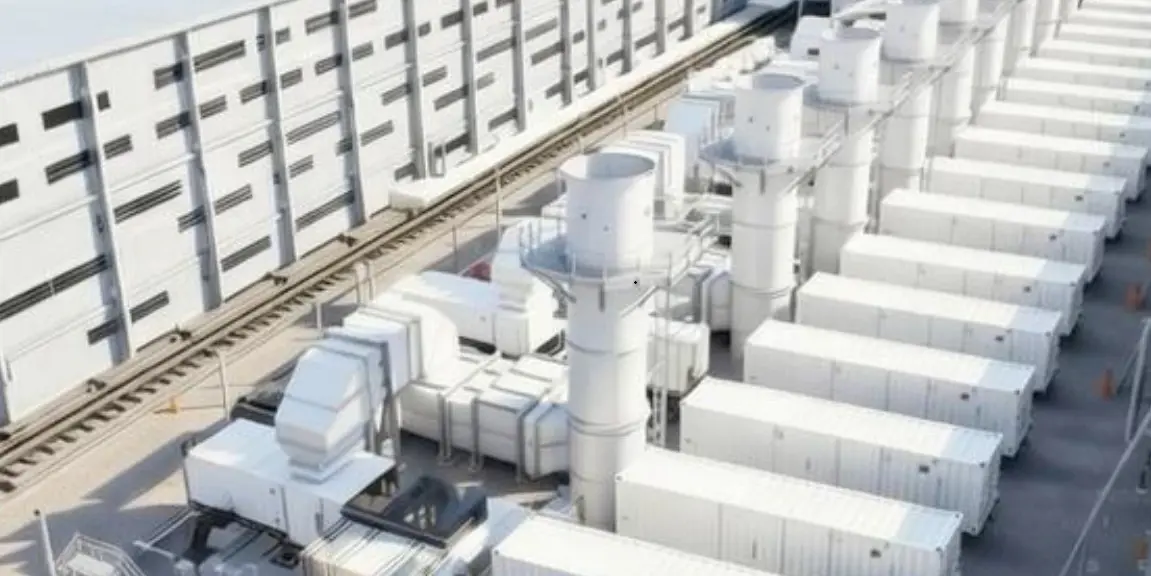
Prime power projects involve complexity that customers consistently underestimate — fuel supply constraints, air permitting, grid interconnection, site conditions. Carter’s role is to surface those issues early, resolve them before they become schedule problems, and stay engaged through commissioning and decades of operation.
Carter provides product application engineering for the full Cat solution — generator selection, controls, switchgear, and ancillary equipment — sized and configured for the specific site, load, and operating requirements.
Fuel supply, air permits, and grid interconnection derail more prime projects than equipment ever does. Carter identifies and helps resolve these constraints before equipment is specified.
Carter supports prime projects through equipment supply, installation, and commissioning through a single relationship — so the team that engineers the solution is the team that starts it up.
Prime plants run for decades. Carter structures Long Term Service Agreements around that reality — planned intervals, parts availability, and performance monitoring that keep the plant performing as it did on day one.
Carter engineers are available to discuss system architecture, review fuel supply constraints, and help get the project scoped right from the start.
Planning a temporary outage? Explore Rental Solutions