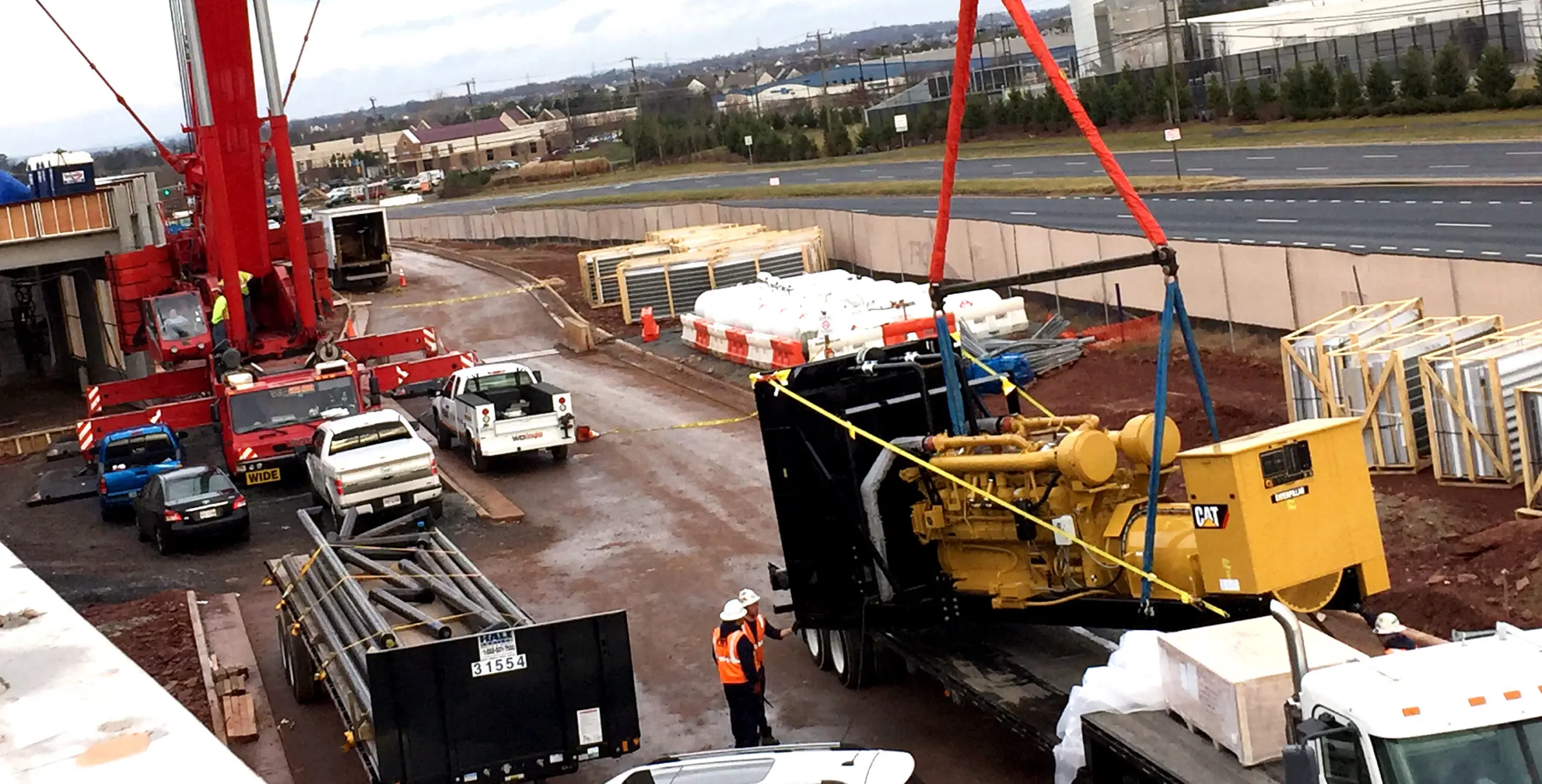
Early Engineering Collaboration
Engagement with developers, consulting engineers, and general contractors from design-phase decisions through equipment specification and procurement.

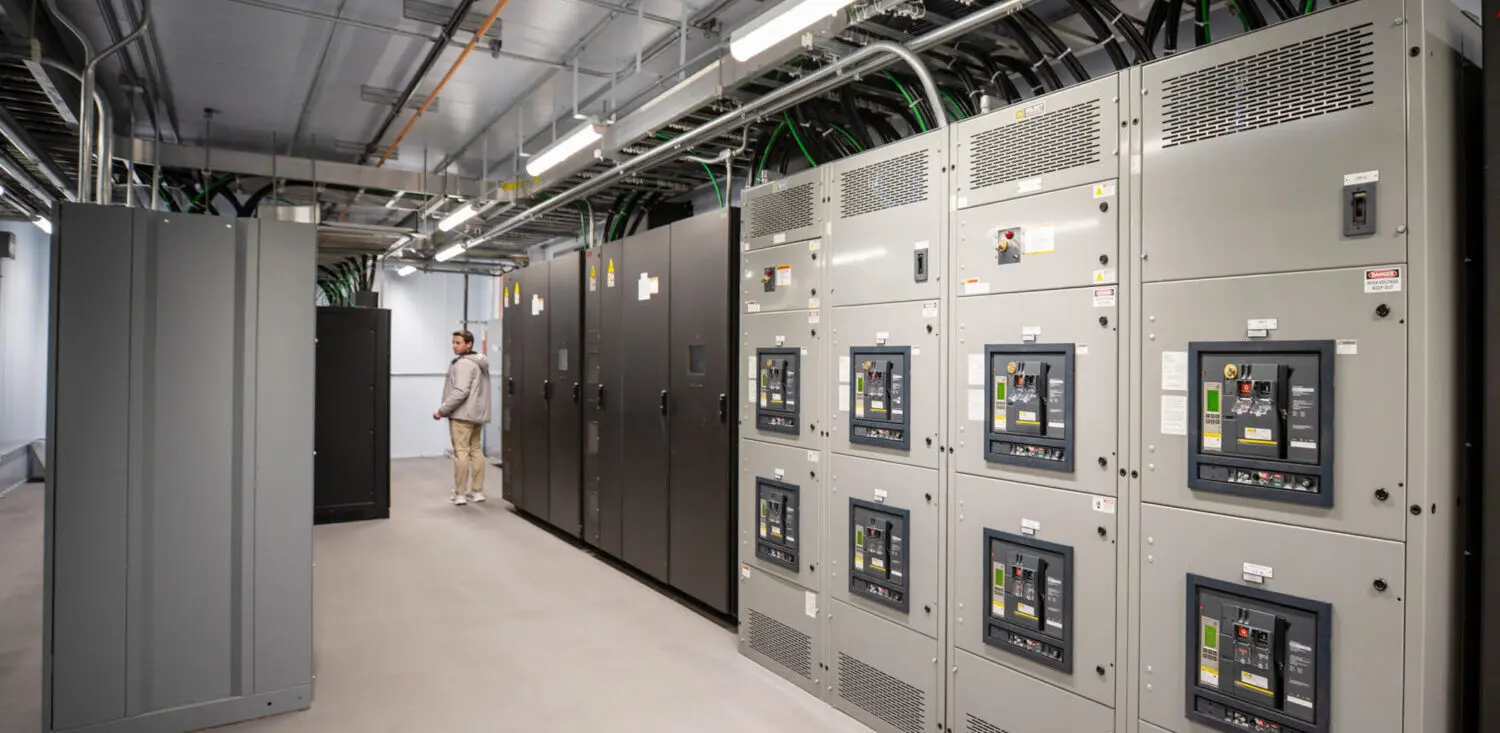
Even brief interruptions can disrupt financial transactions and platform availability. Carter works with developers, engineers, and construction teams to design power systems that support uptime, scalability, and long-term operational confidence.
Data centers are designed, built, and expanded simultaneously — often while future phases of the same campus are already being planned. Because outages can disrupt global digital services, they are typically designed for uptime approaching 99.999% availability.
Financial transactions, government systems, and global AI workloads all depend on data centers staying on. Outages are measured in billions of dollars.
Delivery timelines carry as much weight as technical specifications. Customers need suppliers who can commit and execute.
Power infrastructure must anticipate future phases from the first conversation—not after design is locked.
Data center power systems are rarely defined by equipment alone. Early design decisions — generator sizing, redundancy strategy, fuel infrastructure, and system layout — shape how the facility operates for decades. Carter teams work closely with developers, engineers, and contractors during these early stages, helping evaluate:
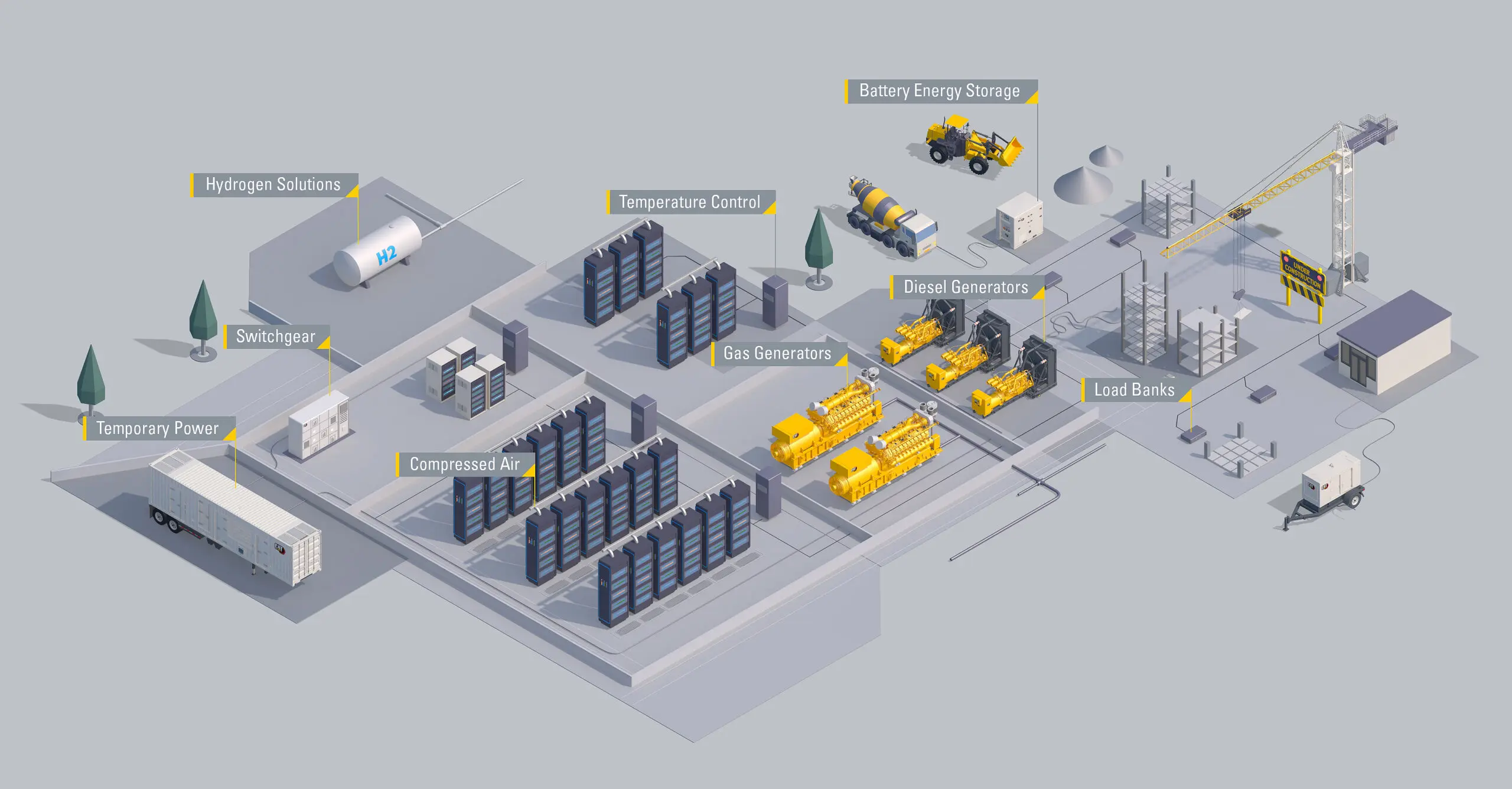
Data center projects rarely proceed exactly as designed. Site constraints, acoustic requirements, and footprint limitations create conditions the original specification didn’t anticipate. Carter’s in-house engineering team works through those constraints directly — modifying equipment configurations, redesigning enclosures, and engineering around utility gaps.
Data center power systems follow a layered architecture designed to eliminate single points of failure. Utility power enters the facility and feeds UPS systems that provide bridge energy during the seconds it takes generators to come online.
Data centers deploy generators in configurations that exceed the minimum capacity needed to carry load. The choice between architectures sets the operational ceiling for the facility — both for reliability and for how the system can be maintained without taking IT load offline.
Large hyperscale facilities may deploy 10 to 40+ generators. Paralleling switchgear manages these units, distributing load and enabling maintenance on individual generators without affecting the system.
Standby generator systems must comply with electrical, environmental, and safety standards that influence system design and equipment layout. Common requirements include:
Environmental permitting and local approvals can significantly affect project timelines and should be addressed early in planning.
Even highly engineered standby power systems depend on disciplined maintenance and testing to ensure readiness. Typical lifecycle activities include:
In mission-critical environments, operators evaluate not only generator performance but also the service network supporting the equipment.
Data center customers choose Carter because of how complex projects are executed. Collaboration with developers, engineers, and contractors begins early — during design, before key decisions are finalized — and continues through procurement, delivery, and commissioning.
Engagement with developers, consulting engineers, and general contractors from design-phase decisions through equipment specification and procurement.
Direct experience supporting large generator deployments, parallel systems, and multi-unit configurations for hyperscale and enterprise data center builds.
Insight into Cat equipment production schedules and delivery timelines, helping customers plan complex multi-phase construction with greater confidence.
Engineering and field technician teams providing commissioning support, preventive maintenance, and emergency response after project completion.
Carter engineers are available to discuss your project, review system requirements, and help get the design right from the start.